Showing posts with label alberto longo. Show all posts

Thursday, July 1, 2010

Best Italian Wines of the Year (so far) - Part One

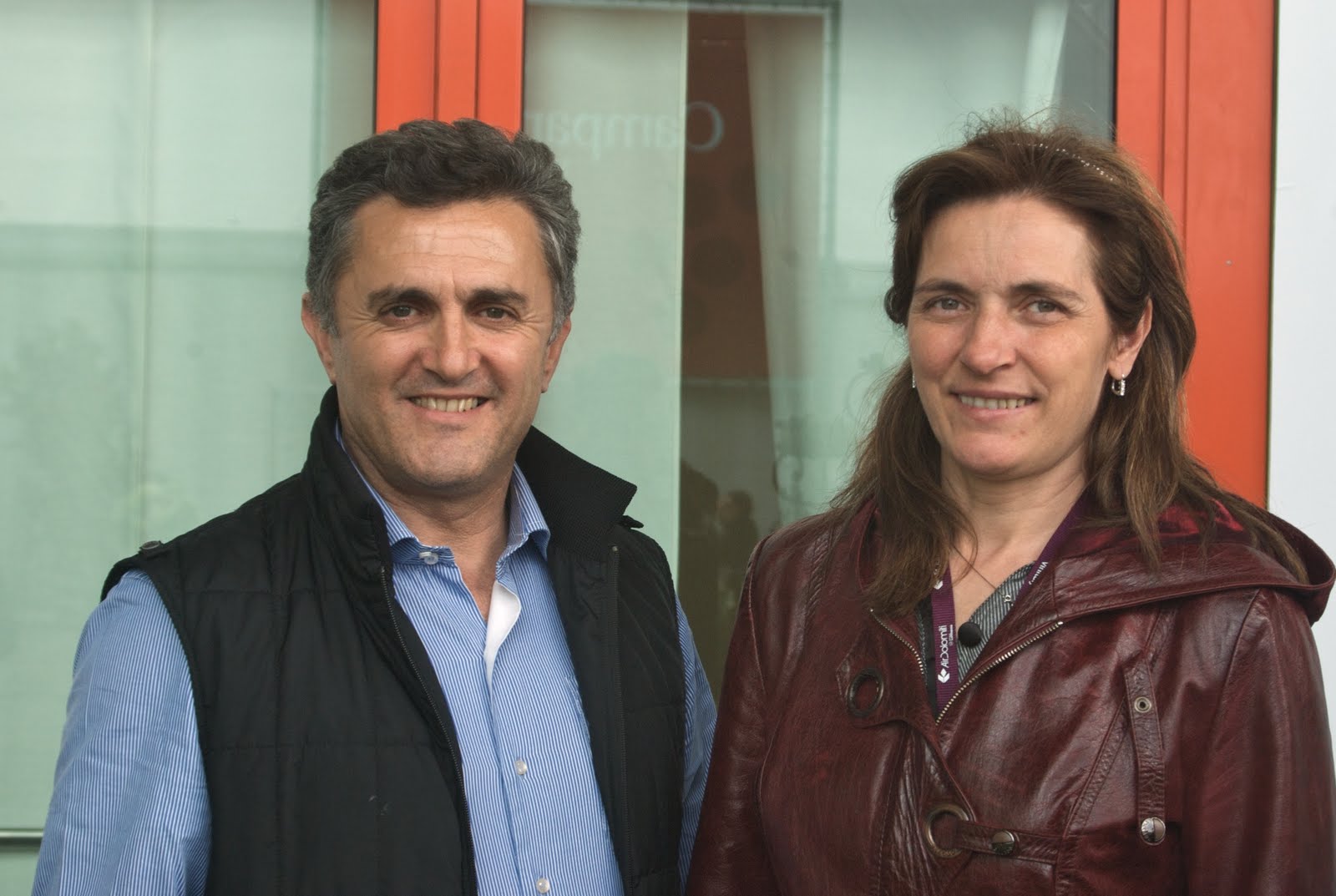
Cristina Ziliani, Guido Berlucchi
(Photo ©Tom Hyland)


As the calendar has turned from June to July, one-half of 2010 is in the books. To celebrate that, here is my list of the best Italian wines I've tasted in 2010 during my four trips there this year. I'll sort the wines by type and by region and you'll note a dominance of wines from Piemonte, Campania, Toscana and Friuli, which are regions I've visited this year or am writing articles about. I don't have much from Sicily, Abruzzo or a few other regions, but it's not a slight on those areas - simply a reflection of the fact that there are so many great wines - and wine regions in Italy! (This is part one, which contains sparkling wines, white wines and rosato. Red wines and dessert wines will be covered in the next post.)


SPARKLING

VENETO
Mionetto Prosecco Treviso Brut (Green label - biologica agricoltura)
Sorelle Branca Prosecco "Particella 68"
Perlage Prosecco "Animae"

LOMBARDIA (Franciacorta)
Bellavista "Vittorio Moretti" 2002
Bellavista "Pas Operé Gran Cuvée" 2004
Enrico Gatti Brut (NV)
Camossi Extra Brut 2006
Guido Berlucchi "Extreme Palazzo Lana" 2004

PIEMONTE
Fontanafredda Alta Langa Contesa Brut "Pas Dose" 2006


WHITE

CAMPANIA
2008 Marisa Cuomo "Fiorduva"
2009 Mastroberardino Greco di Tufo "Nova Serra"
2008 Colli di Lapio Fiano di Avellino
2008 Villa Diamante Fiano di Avellino "Villa della Congregazione"
2009 DeConciliis Fiano "Donnaluna"
2009 Luigi Maffini Fiano "Kratos"
2008 La Sibilla Falanghina "Cruna del Lago"
2009 San Paolo Falanghina "Fuoco"
2008 Feudi di San Gregorio "Campanaro" (Fiano/Greco)

Marisa Cuomo and her husband, winemaker Andrea Ferraioli
(Photo ©Tom Hyland)


FRIULI
2008 Bastianich Vespa Bianco
2009 Gradis'ciutta Sauvignon
2007 Livio Felluga "Terre Alte"
2008 Jacuss Friulano
2008 Livon "Terre Alte"
2009 I Clivi Malvasia
2005 Radikon Ribolla Gialla

Stanko Radikon
(Photo ©Tom Hyland)


SICILY
2009 Planeta Cometa


ALTO ADIGE
2009 Cantina Tramin Gewurztraminer "Nussbaumer"
2009 J. Hofstatter Gewurztraminer "Kolbenhof"
2009 Elena Walch Sauvignon "Castel Ringberg"


PIEMONTE
2008 Orsolani Erbaluce di Caluso "Vignot S. Antonio"


VENETO
2008 Pieropan Soave Classico "La Rocca"
2007 Monte Tondo Soave Classico Superiore "Foscarin Slavinus"


PUGLIA
2009 Alberto Longo "Le Fossette" (Falanghina)
2009 Polvanera Fiano Minutolo


ROSATO

Campania
2009 Giuseppe Apicella Costa d'Amalfi Rosato (Sciascinoso/Piedirosso)
2009 Fontanavecchia Aglianico del Taburno Rosato


Liguria
2009 Cantine Lunae "Mearosa" (Vermentino Nero)

Cantine Lunae Vermentino Nero Rosato

Monday, February 8, 2010

Gems from VINO 2010

Thoughts on four exciting days in New York, including notes on dozens of excellent new Tuscan releases (red and white), some beautiful bottlings from Friuli and two offerings of Vermentino to die for!


Emilia Nardi, Tenute Silvio Nardi, Brunello di Montalcino
(Photo ©Tom Hyland)


I spent four wonderful days in New York City last week, tasting hundreds of new Italian releaaes, meeting vintners from around the country and making many new friends from all over the United States. The occasion was VINO 2010 - the second annual - which is billed as the largest Italian wine event held outside of Italy.

There were many highlights - I’ll touch upon a few in this post and go into greater detail in the next few posts during the upcoming weeks. One of the tastings was an anteprima of new releases from three famous Tuscan zones: Chianti Classico, Vino Nobile di Montepulciano and Brunello di Montalcino. Given the sheer number of wines available for sampling over several days, I had to focus on a few specifics, so I didn’t try as many of these wines as I could have, but I did find some excellent examples. From Chianti Classico, there was a delightful 2008 Carpineto, a wine made to be drunk and nor laid away for 5 years – how nice!

Clif and Donna Weaver, owners of Le Miccine, a small gem of an estate in Gaiole in Chianti, showed their 2007 normale and Riserva Chianti Classico bottlngs at the Friday Grand Tasting. The regular bottling had lovely red cherry fruit, subtle oak and very good acidity while the “Don Alberto” Riserva offers textbook flavors and the structure to age for 7-10 years. If you don’t already know this estate’s wines, now would be a great time to acquaint yourself with these bottlings.

I also loved the 2007 normale Chianti Classico bottlings of Badia a Coltibuono, Lilliano and Bibbiano, all made in a traditional style in large oak. In fact, I'm finding more Tuscan producers shifting toward more restrained use of oak, a welcome sign. There are many that still work with barriques, but even these producers seem to be relaxing a bit on the spice and vanilla flavors of new barrels. Let’s hope this trend of favoring fruit over wood continues in Tuscany!

It’s always exciting to try new releases of Brunello di Montalcino; this year the featured wines are the 2005 Brunello and the 2004 Brunello Riserva. 2005 is not garnering a lot of attention, given the fact that 2004 was an excellent vintage and 2006 is shaping up to be a promising year as well. However, I found the bottlings of 2005 Brunellos to be nicely balanced with very good acidity, balanced tannins and good to very good fruit persistence. Some bottlings are a bit tight as of now, while others are a bit lean, while some are soft and quite approachable. Among my favorites here were the offerings from Il Poggione (no surprise here!), Lisini (beautifully structured), Col d’Orcia, Uccelliera, Canalicchio di Sopra, the Campogivanni from San Felice, and the very elegant and beautifully styled Silvio Nardi “Vigna Manachiara”, one of this zone’s most consistent bottlings. I also liked two wines I tried for the first time, the “Vigna delle Raunate” from Mocali and the Tassi. The Mocali, from a 25 year-old vineyard, is aged for three years in large and mid-size oak and has a generous mid-palate and stylish acidity; this will drink well for 10-12 years. The Tassi is a bit less concentrated, but is extremely well balanced and is a wine of great finesse and elegance. Fabio Tassi produced the first Brunello under his own label with the 2004 vintage; he is off to an impressive start!

Fabio Tassi, an impressive new Brunello producer
(Photo ©Tom Hyland)


As for the 2004 Brunello Riserva, these are everything I had hoped they would be. There are some critics of 2004 Brunello who believe that the year was not as great as expected. While this may not be as long-lived a vintage as 2001, I do think this was a very special year – perhaps great – and the best proof of that comes with these Riserva bottlings. Wine after wine offered great concentration and structure for 15-20 years of aging, which is what I expect from this wine. Among the finest I sampled were the more modern-styled Banfi “Poggio al’Oro” and Caparzo (their first Riserva since 2001) along with the Il Poggione “Vigna Paganelli” and the Fuligni. The Il Poggione is deeply concentrated and a bit tight at present, but should be wonderful in 15 years or so, while the Fuligni is an amazing wine! Combining its beautiful perfumes, excellent concentration, lively acidity, subtle oak and elegant tannins, this is a textbook Brunello di Montalcino. If I had to give someone one wine from 2004 that I believed represented the vintage as well as any (as well as being a classic wine), it would be the 2004 Fuligni Brunello di Montalcino Riserva.

As for other notable wines, I thoroughly enjoyed the bottlings of Vernaccia di San Gimignano from Panizzi. Too often this Tuscan white is either much too plain or else laden with strong wood overtones by a vintner who wants to make more out of this wine than he or she should. The regular 2008 bottling from Panizzi has beautiful varietal character (pine and apple aromas), zippy acidity and a wonderful freshness, while the 2006 Riserva bottling is richer on the palate and carries its wood aging quite nicely, depsite the fact that the wine was fermented in barriques.

I also had the chance to catch up with the always charismatic Maria Elisabetta Fagiuoli of Montenidoli, another great Vernaccia producer. From talking with her and tasting her wines, you get the feeling that she’ll continue to do what she’s been doing until the big winemaker in the sky call for her, which we can only hope will be another 20-30 years from now at least! He regular bottling “Fiore” from the 2007 vintage is quite rich for an entry level Vernaccia, while her special releases speak to what can be achieved with this variety. My favorite wine from her is the “Carato” from 2005, a barrique-aged Vernaccia with lovely texture and deep concentration. Her wines – just like Maria herself – only improve with age!

A few other highlights included fresh, tasty examples of Soave from La Cappuccina (2009) and Cantina di Soave (2008 Classico). These wines represent the delighful, non-complicated side of Soave and are so easy to drink! I also enjoyed some beautiful bottlings of Prosecco, including the “Vigneto Giardino” from Adami that is much richer than most examples of this wine, along with two excellent offerings of Cartizze (a sub-zone of Prosecco that many consider to be the finest), from Mionetto (beautifully perfumed) and Bortolomiol (not as aromatic, but fuller on the palate).

I also concentrated on Friuli and discovered several wines I thought well balanced and very flavorful, including the 2008 Friulano and 2006 Refosco from Tenuta di Blasig; the 2008 Sauvignon from Colutta; the 2008 Sauvignon from I Feudi di Romans and the 2008 Friiulano from Petrussa.

Elisabetta Bortolotto Sarcinelli, Tenuta di Blasig, Isonzo DOC, Friuli
(Photo ©Tom Hyland)


I’ll discuss red wines in greater detail in the next few posts, but for now, notes on three reds I loved last week. The first is 2008 Celestina Fé Morellino di Scansano, styled in a traditional way in large oak – beautiful strawberry and red currant fruit here with silky tannins. Secondly, the 2006 Guado al Melo Bolgheri Superiore is a notable wine from this famous Tuscan coastal zone; one that has marvelous depth of fruit, excellent complexity and the structure to age for 10-12 years. Lastly, the new bottling of Syrah from Alberto Longo in Puglia labeled 4.7.7 – the dates of his dauther’s birth (2007). Lots of juicy mulberry and plum fruit with bitter chocolate notes – this is delicious!

Finally, I wanted to point out two bottlings of Vermentino from the 2008 vintage from Cantine Lunae in Liguria. The Grey label is simply delicious, bursting with lemon and dried pear flavors and a bit of saltiness from the nearby sea, while the Black label is richer with notes of acacia and apple peel in the aromas. Both are aged solely in stainless steel – no need to mess with the amazing aromatics with wood – and have vibrant acidity. The Black label received the Tre Bicchieri rating from Gambero Rosso in their 2010 edition and is fairly priced at $30; you might just enjoy the Grey label as much or even better, especially at $18, an amazing value!

Wednesday, February 11, 2009

Puglia Innovators

Castel di Salve reds: Priante and Cento su Cento


One of the things I noticed most about my recent trip to Puglia was the wide range of red wines; this certainly is a reflection of a region that has so many different varieties planted in specific areas. It’s also a sign of a region where there is not an iconic red - such as Barolo from Piemonte or Brunello di Montalcino from Toscana – that overwhelms other wines. I like that about Puglia – there are so many interesting, well-made wines that have their own personality.

In this post, I’d like to feature two of the most innovative producers whose wines I tasted during my trip. One is from the far southern reaches of the region, while the other is situated in the north and while the grapes they work with are quite different, their quality and goal of making individualistic wines are similar.

Castel di Salve, located in the far southern town of Depressa di Tricasse in the province of Lecce (about as far south as you can go in Puglia), is headed by Francesco Winspeare and his agronomist Francesco Marra, who reestablished the estate in the early 1990s. Friends since early childhood, they own 100 acres of vineyards and produce approximately 13,000 cases of wine each year, working primarily with Negroamaro, Primitivo, Malvasia Nera as well as smaller amounts of Sangiovese and Malvasia Bianca. (Note: no Cabernet Sauvignon or Merlot here – only Italian varieties.)

There are some beautiful introductory wines here under the Santi Medici label; the Rosato, produced entirely from Negroamaro is excellent with deeper concentration than most of its competitors while the Rosso, also a pure Negroamaro, has very good varietal character, light tannins, tart acidity and is a pleasant lighter red for drinking over the next two years.

But it is with a group of distinctive reds where the principals really make their statement about the exceedingly high quality of Castel di Salve. The 2007 Salice Salentino “Armécolo” is a medium-bodied style with beautiful aromatics of myrtle, black currant and tobacco and excellent complexity; enjoy this over the next 3-5 years. A 100% Sangiovese, “Il Volo de Alessandro”, has very high acidity, cherry, cedar and sage notes and an earthy finish and is quite unique. You can tell this is Sangiovese, but you can also tell it’s not from Tuscany.

The 2005 Lama del Tenente, a blend of Primitivo, Montepulciano and Malvasia Nera is a modern red, aged in new oak, with plenty of black fruit, but this is not a one-dimensional wine. Beautifully structured with moderate tannins and lively acidity, this has wonderful complexity and will drink well for 7-10 years. The 2006 Cento su Cento (with a big capital “C” on the label), though slightly less impressive due to a bit too much oak, is nonetheless a compelling red to be paired with rich red meats for the next half decade.

But the best red from Castel di Salve is the 2005 Priante, an IGT Salento that is half Negroamaro and half Montepulciano (the label features a big capital “P”). My notes for the nose mention black cherry, peppermint, cigar, tar, vanilla and marmalade- very nice! The wine was aged in used French and American oak, so the wood influence is minimal. The wine has a long, long finish with notes of tobacco and dried brown herbs and should drink well for 5-7 years. This is a brilliantly made offering and was one of the two or three best wines I tasted in Puglia during my trip.

The winery also produces an outstanding Aleatico Passito; the current bottling from 2004 is about as good as this wine gets! Aromas of toffee, orange peel, dried plums and herbal tea are backed by excellent complexity and a long finish that is lightly sweet with subtle bitterness. This is heavenly and would be great with bittersweet chocolate, though it is superb on it own.


Cacc'e Mmitte di Lucera of Alberto Longo


In the northern province of Foggia, the Alberto Longo winery was established in 2000 by an accountant who wanted to produce the local wines he has loved throughout his life. Situated in the town of Lucera, Longo produces approximately 16,000 cases of wine per year, primarily from Nero di Troia, the area’s leading red variety and Negroamaro (there is both a Rosso and Rosato made exclusively from this variety).

I tasted three wines during my brief visit to the winery; all of them are quite intriguing. The first was the 2007 Falanghina “Le Fossette”. Now Puglia is a red wine region, as many producers don’t even make a single white wine, while those that do tend to focus on lighter styled Chardonnays. So for Longo to concentrate on Falanghina is remarkable in itself and we can be thankful he does, as the wine is beautifully made with aromas of pear, lime and melon (no oak aging), excellent concentration and typical high acidity. This compares favorably with the best versions from Campania and will drink well for 2-3 years.

Longo is one of the few producers to make one of the most unusual DOC reds in Pugila (or in all of Italy for that matter), a wine known as Cacc’e Mmitte di Lucera. His version is a blend of Nero di Troia, Montepulciano and a white variety, Bombino Bianco. This is a charming red, with currant, red plum and strawberry fruit, modest tannins, tart acidity and a touch of spice in the finish. It’s got some of the qualities of a simple Valpolicella or a well-made Dolcetto, but it’s totally unique. Enjoy this over the next 2-3 years.

Finally, I tasted the 2006 “Le Cruste” a 100% Nero di Troia with unusual aromas of black plum, cranberry and shiitake mushrooms! Medium-full, the wine has elegant tannins, lively acidity and a long, long finish. Local producers are experimenting with this variety, as some push the ripeness as well as oak to make somewhat of an internationally styled red. The Longo version strikes more of a middle ground with good varietal character while maintaining lovely balance. This is approachable now and will offer pleasure for another 5-7 years.

I was so pleased tasting these wines from Castel di Salve and Alberto Longo, as they represent a new, exciting, innovative path for the wines of Puglia. Both are imported in the USA; Sussex in Philadelphia represents Castel di Salve, while there are two importers for the Alberto Longo wines: Clyde Thomas Wines, which represents the wines in New York and New Jersey and Match Direct Wine Import (Francois Dufour) for the rest of the country.